


If you’re seeing this newsletter for the first time, welcome! If you want to get off this list, just click “unsubscribe'“ at the bottom of this message. If you’re not already subscribed, you can subscribe for free to receive new (short!) posts every couple of weeks.
In my early teenage years, I spent so much time at our local public library that they eventually hired me. As a nerdy young bookworm, I was elated—getting paid ($1.75 per hour!) for helping to shelve and check out books seemed like a dream job. I worked there throughout high school, benefiting from the mentoring and experience of those hard-working professional librarians who served our community. I’ve never forgotten them.
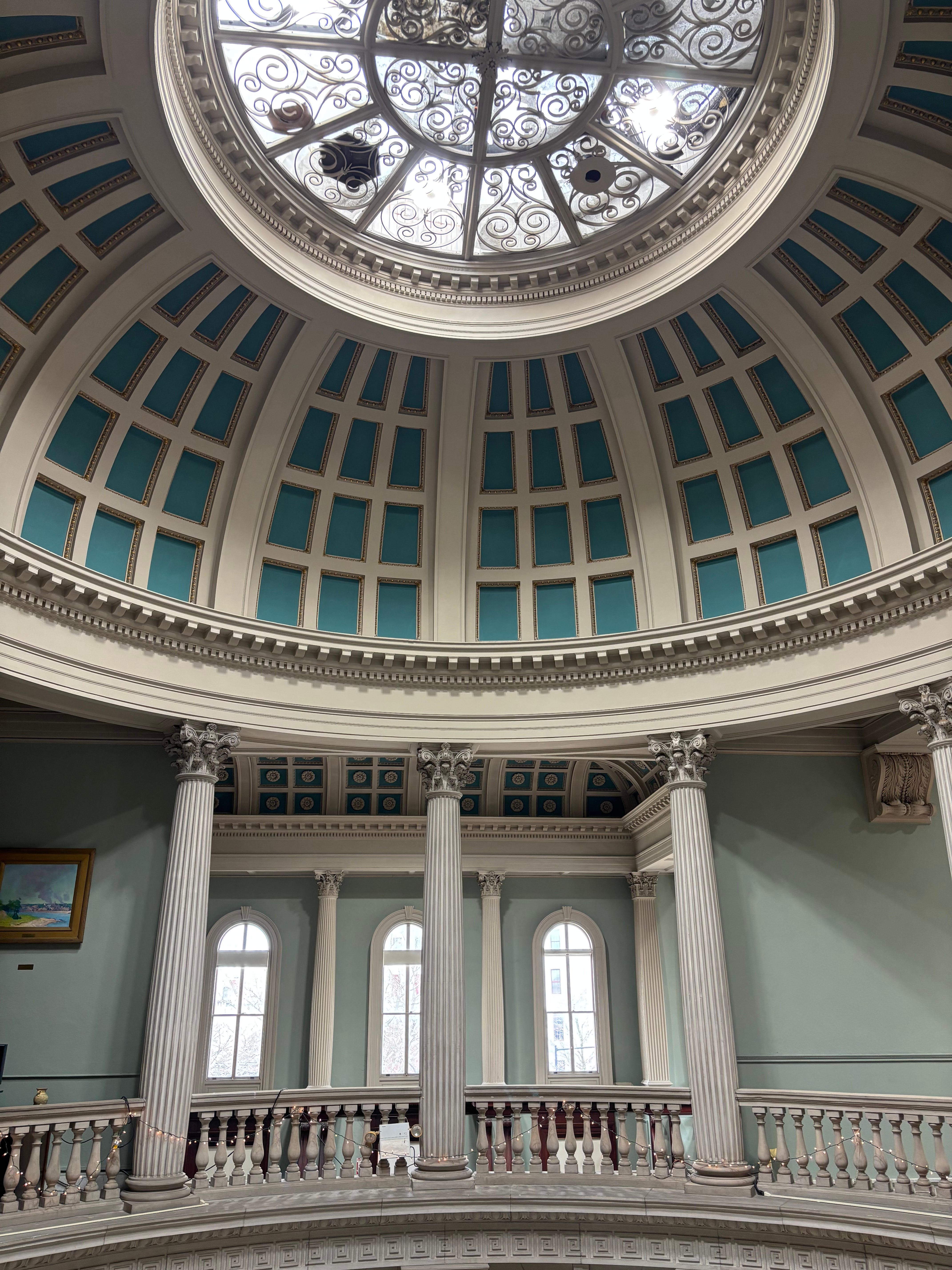
These days, I’m more likely to check out an e-book through Libby or Hoopla than to borrow a physical book from one of the two library systems where I’m a member. As a writer, though, I’ve renewed my love affair with libraries as a source for historical research. Plus, I’ve been lucky enough to give several author talks and writing workshops at public libraries around the country, always a treat.
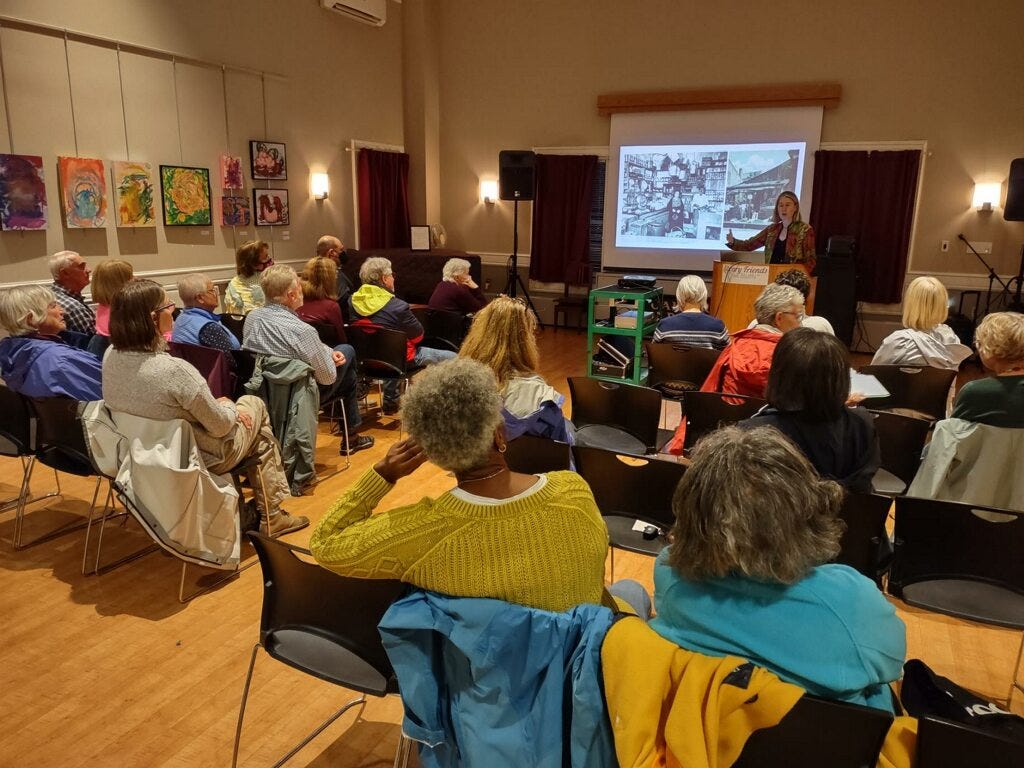
Given all that, it’s been particularly alarming for me to witness the continuing assault on libraries, books, and free speech in this country. I realize there’s a long list of issues and causes to be outraged about these days, and lots of public policy decisions that might impact people’s lives and livelihoods more directly. To me, though, libraries are high on that list because they have long stood as pillars of our democracy.
Libraries are a great equalizer, serving people from all walks of life, regardless of educational, economic, or social status. They provide free books across all formats, of course, and also maintain scholarly databases, precious oral histories, and community archives. They offer access to the internet and technology platforms many people can’t afford at home—a lifeline for job seekers, students, elders, and folks trying to navigate the online world. They are essential in promoting literacy, intellectual curiosity, and lifelong learning and provide inclusive spaces, safe havens for children, help with tutoring and homework, and social activities for seniors. Libraries also partner with local organizations to offer health clinics, legal and tax assistance, food distribution, and, in New Orleans, even glass recycling.
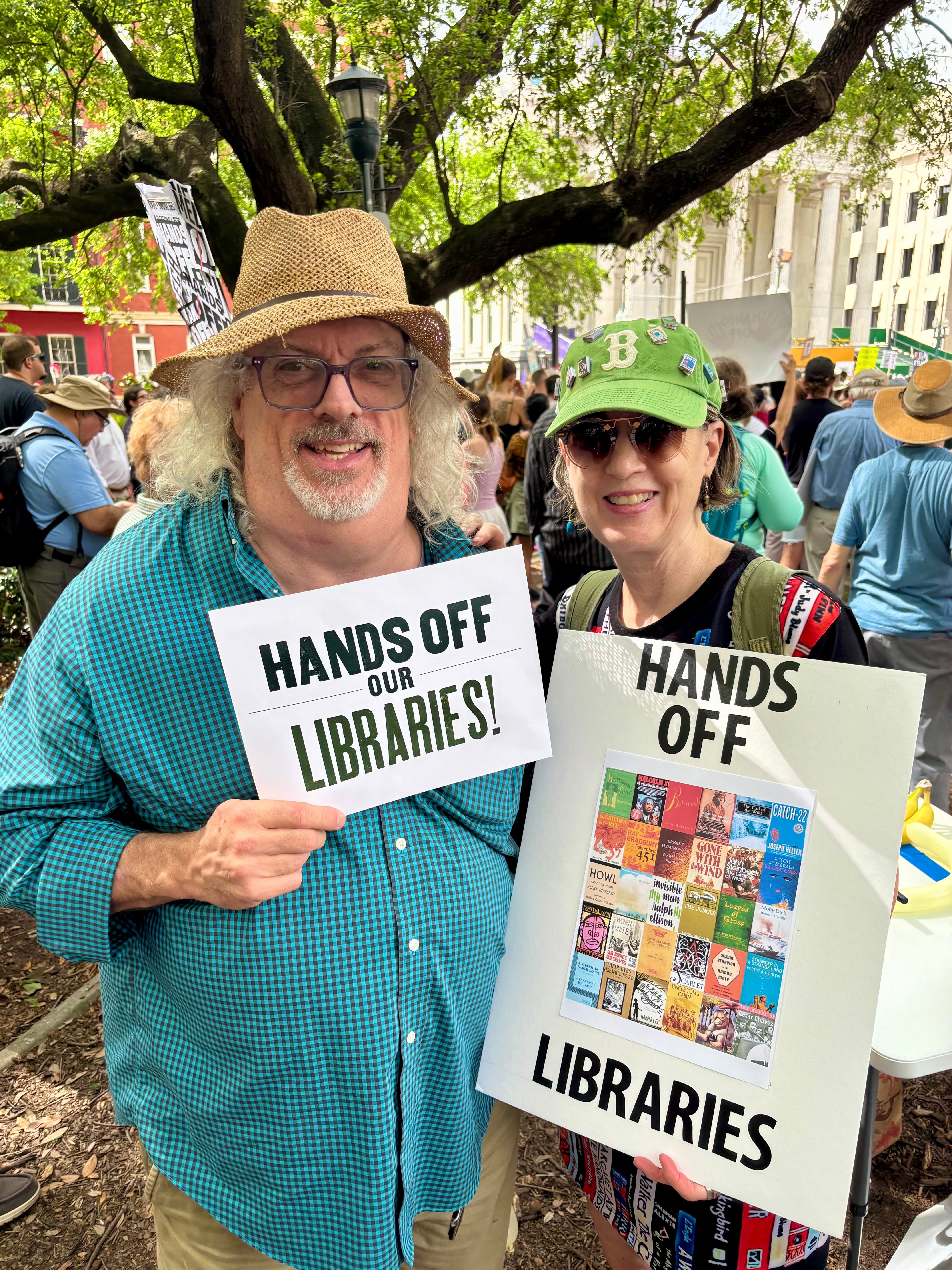
In these perilous times of budget cuts, book bans, and assaults on our democratic institutions, there are lots of small actions we can take—starting with supporting local funding—to advocate for our library workers and ensure these jewels of our civic life are preserved and protected. Visit the American Library Association (ALA) for information about fighting last month’s Executive Order illegally defunding the Congressionally-authorized Institute of Museum and Library Services (IMLS), a vital resource supporting 125,000 libraries that serve millions of Americans. You can also take action to preserve our First Amendment rights through the ALA’s Unite Against Book Bans and other campaigns. Check out the upcoming documentary Free For All on your local PBS station on April 29 to learn more about the history and importance of libraries in America.
And the next time you’re in or near your local public library, maybe you can take a minute to tell the staff there how much you appreciate all they do for our communities.
Right on!
This post comes at a time when we are working weekly with our new (built just 2 years ago) local library here in East Asheville for public meetings, educational presentations (our local community just held a well attended presentation on bird friendly gardening!), and food waste composting. On Saturday mornings they hold a kids workshop where parents show up with you children for book readings. Its always packed! You're so right that we have to stay focused on protecting our libraries and available reading materials.